Academic Research
My research examines revolution and state-building, gender and security, and foreign intervention, with a focus on Afghanistan.
ORCID profileSelect a section to expand or minimize it.
Papers
Publications, working papers, and research under review. Select a category to read summaries and abstracts.
Publications
Continuities of Dissent: Afghan Women’s Resistance Across Empires
Fighting Two Battles: ISAF and the Integration of Women into the Afghan National Army
Review of How to Lose a War
Working papers
Inheriting the Mantle: Embedded Capacity and Institutional Survival after Revolution
This paper asks when institutions survive revolution, examining all 57 institutions inherited by the Taliban in 2021. It develops the institutional-survival argument at the center of my broader dissertation agenda.
Abstract: Inheriting the Mantle: Embedded Capacity and Institutional Survival after Revolution
Revolutionary victors can destroy regimes faster than they destroy states, because an institution’s organizational capacity and the expertise of the particular people staffing it are separable: capacity kept in procedures, records, and organizational routine survives personnel turnover that would otherwise gut it. I argue that this separation, not ideological hostility on its own, governs what a revolutionary victor does with an inherited institution. Where a regime rejects an institution’s mandate but cannot reproduce the embedded organizational capacity housed inside it, the institution survives and is remade from within; where that capacity is easily replaced or unneeded, the institution can be abolished outright. I operationalize this claim as a typology crossing administrative centrality with ideological divergence, yielding four strategies (co-optation, subjugation, neglect, and elimination), but the typology is a measurement device for the embeddedness argument, not a separate claim in its own right. I apply it to all 57 institutions the Taliban inherited in August 2021, using desk research, interviews with twenty-five former senior officials, and original personnel data. Eleven institutions were dissolved. All were both ideologically divergent and peripheral to governing; no divergent institution the regime depended on was dissolved, and no ideologically compatible institution was dissolved (p = 0.001). Embedded organizational capacity, not the intensity of ideological objection, is what makes an inherited institution hard to remove. Two surviving institutions that the typology places in the wrong cell reveal a second, ideological route to survival: usefulness in advancing the regime’s own political project rather than administrative necessity.
Present in the State, Absent from Authority: Personnel Inheritance and Gendered Exclusion
Using civil service rosters and interviews, this paper examines how women were excluded from authority while remaining attached to the Afghan state.
Abstract: Present in the State, Absent from Authority: Personnel Inheritance and Gendered Exclusion
Successor regimes inherit more than a roster of officials. They inherit administrative capacity embedded in people, routines, records, and organizational relationships built under the order they displaced. This creates a problem when new rulers reject who may exercise authority but cannot immediately replace the work through which the state continues to function. We examine this problem in Afghanistan after the Taliban takeover in 2021. In 2020, 413 women held positions across the five categories used here to identify formal senior authority. By 2023–24, no women remained in any of those categories, while female employment persisted at lower grades and increased at Grade 5. Interviews with 26 displaced female and 25 displaced male senior officials show different forms of treatment: men were more often replaced individually, while women also experienced demotion, continued administrative attachment, and in a smaller number of cases continued reliance on their expertise after authority moved elsewhere. Taliban directives show that women were excluded under an explicit categorical rule. We argue that organizational embeddedness constrains how quickly revolutionary rulers can align bureaucratic authority with their political project. Where capacity is difficult to reproduce because it is embodied in personnel or embedded in organizational routines, authority can change faster than the administrative work beneath it. The Afghan evidence identifies this separation clearly while also showing its limits: continued employment is more common than direct evidence of continued labor, and the paper treats those outcomes separately.
Under review
Seeing the State under Contested Authority: Lived Governance and Political Confidence in Afghanistan
Two large surveys show how service provision and contested authority shape citizens’ confidence in government in Afghanistan.
Abstract: Seeing the State under Contested Authority: Lived Governance and Political Confidence in Afghanistan
Governments provide services expecting political support, yet evidence that provision builds support is mixed, especially in conflict zones. I argue that citizens respond not to provision itself but to what it reveals about who governs. Using two surveys of over 450,000 Afghans matched to time-varying district contestation, I find that visible projects matter more for confidence when credited to the government, while experienced performance matters more in contested districts. The results explain why aid projects often yield weak political returns even where governance matters.
Stratified Exit: Unequal Returns to Everyday Resistance under Authoritarian Exclusion
Interviews with Afghan women entrepreneurs explain why digital adaptation under authoritarian exclusion produces unequal opportunities.
Abstract: Stratified Exit: Unequal Returns to Everyday Resistance under Authoritarian Exclusion
Why does authoritarian exclusion produce consequential adaptation for some excluded actors but mere survival for others? I develop a theory of stratified exit. When coercive exclusion displaces a targeted population from a primary arena into an alternative one, two processes shape what follows: uneven enforcement across arenas determines where action remains possible, while unequal conversion resources among excluded actors determine who can turn access to the alternative arena into consequential agency. I trace this mechanism through 104 semi-structured interviews with Afghan women entrepreneurs who remained commercially active under Taliban rule and used digital platforms. Within this selected population, platform use is widespread but the capacity to build commercial relationships beyond existing trust networks varies sharply. Digital and visual skills, connectivity, payment capacity, market linkages, and gendered access to intermediaries condition that conversion; even the best-positioned respondents remain dependent on infrastructures they cannot govern. The article contributes to comparative theories of authoritarian exclusion and everyday resistance by shifting the object of explanation from whether evasion occurs to how its returns are distributed. More broadly, it identifies cross-arena displacement as a political mechanism through which coercion can relocate agency without equalizing it.
Protection Under Heat: How Climate Change Affects UN Peacekeeping
This study examines how extreme heat and rainfall affect peacekeepers’ ability to protect civilians, combining mission data with personnel accounts.
Abstract: Protection Under Heat: How Climate Change Affects UN Peacekeeping
This research note examines how environmental conditions shape the operational experiences of peacekeepers and their ability to protect civilians. While United Nations (UN) peacekeeping missions are generally effective in reducing violence against civilians, we argue that adverse environmental conditions, particularly extreme heat and rainfall deviations, can constrain their effectiveness. Using observational data between 1991 and 2018, we find that temperature anomalies condition the relationship between troop deployments and civilian victimization. Our findings suggest that under conditions of extreme heat, additional troops are necessary to ward off the possibly inhibiting conditions of climate change on civilian protection. To further explore the mechanisms behind these outcomes, we leverage original data from 269 interviews and 5,615 open-ended survey responses from UN mission personnel across fourteen troop- and police-contributing countries (TPCCs). These accounts show that peacekeepers frequently describe how environmental challenges such as excessive heat, drought, and water scarcity create physical limitations and operational constraints, providing insight into the theoretical mechanisms by which environmental variability mediates the relationship of troop presence on one-sided violence.
Work in progress
Reforming Gender at Gunpoint: The Backlash Effects of Foreign Intervention in Afghanistan
This paper examines how militarized gender reform shaped public violence against women and private gender relations during the war in Afghanistan.
Abstract: Reforming Gender at Gunpoint: The Backlash Effects of Foreign Intervention in Afghanistan
The U.S.-led intervention in Afghanistan presented women’s rights as part of the war’s moral justification. We conceptualize these efforts as militarized gender reform and examine how they were contested during the war itself. We distinguish public violence against women in visible roles, such as teachers, journalists, health workers, and civil servants, from private violence within households and communities. Drawing on 35 waves of ANQAR survey data covering more than 473,000 respondents, the Survey of the Afghan People, the 2015 Demographic and Health Survey, and an original dataset of 64 confirmed attacks on public-facing women, we find that higher ISAF legitimacy was associated with more insurgent violence against women in public roles, as insurgents targeted women who embodied the intervention’s political claims. In the private sphere, legitimacy was associated with modestly lower household and community violence, without evidence of broader change in patriarchal norms. Tying gender reform to military intervention made women’s visibility a target and left those reforms fragile.
Between Barricades and Peace Talks: The Impact of Violence and Territorial Hold on Civilian Peace Preferences in Afghanistan
Panel surveys and a conjoint experiment examine gender differences in willingness to make concessions in peace negotiations.
Abstract: Between Barricades and Peace Talks: The Impact of Violence and Territorial Hold on Civilian Peace Preferences in Afghanistan
Public opinion shapes the success of peace deals, yet little research examines how citizens in conflict-affected societies form and maintain their preferences about peace. We argue that social identity, especially gender, plays a central and durable role in shaping willingness to make concessions. Using a three-wave panel survey and conjoint experiment conducted in Afghanistan before the Taliban’s return to power, we find that women are 15–20 percentage points less willing than men to make concessions to the Taliban, particularly on amnesty and power-sharing. These preferences are stable over time, even among individuals exposed to violence. Contrary to narratives of women as natural peacemakers, women’s support for peace is contingent on protections for women’s rights, and gender provisions are among the most divisive elements of a deal for both men and women.
Mothers of Afghanistan: Everyday Forms of Resistance to the Taliban
Interviews and ethnographic research examine Afghan women’s everyday resistance under Taliban rule.
Abstract: Mothers of Afghanistan: Everyday Forms of Resistance to the Taliban
Caught between militarized gender reform and Taliban rule, Afghan women have long engaged in both overt and covert resistance to protect their rights and agency. This study examines women who benefited from empowerment programs during the Republic and how they cope under the Taliban. Drawing on James Scott’s "weapons of the weak" framework, qualitative interviews, and ethnographic research, we uncover private, everyday practices of defiance that subvert state authority. Moving beyond a Western focus on bans on education and employment, we show how the Taliban have built a broader system that treats women as an ontological threat, institutionalized as gender apartheid, and how women’s subtle acts of opposition challenge it.
Helping or Hindering? Evaluating the Impact of US Intervention on Counterinsurgency and State Capacity Outcomes
This paper studies when external counterinsurgency support improves battlefield outcomes and when it undermines longer-term state capacity.
Abstract: Helping or Hindering? Evaluating the Impact of US Intervention on Counterinsurgency and State Capacity Outcomes
Does external counterinsurgency (COIN) support from strong military powers increase the chance of defeating insurgency? Further, does COIN intervention help build public support for an incumbent government in the long run? We argue that external COIN support, especially support from countries with strong military power, will increase the likelihood of defeating insurgent groups in battles. However, whether the defeat of insurgency translates into popular support depends on the affected government’s level of engagement in COIN activities. Using a novel dataset on the outcomes of U.S. military interventions (1945–2016), we show that while external COIN support was useful for defeating insurgents in affected states, such intervention hinders state capacity in the long term when incumbent military spending is low. Moreover, public support for the incumbent is likely to decrease when the state fails to provide effective security protection. Our findings suggest that COIN intervention can both help and hinder an affected state, depending on the level of incumbent regime involvement.
Can Hearts and Minds Be Taught? Mass Schooling During the War in Afghanistan
Survey evidence examines how wartime schooling affected livelihoods and political attitudes in Afghanistan.
Abstract: Can Hearts and Minds Be Taught? Mass Schooling During the War in Afghanistan
Education is a cornerstone of nation building. Does investment in mass schooling assist the state with recruiting civilian support during counterinsurgency wars? We study the case of the War in Afghanistan, where educational investments were a hallmark of the efforts made by the United States in suppressing the Taliban. With survey data covering nearly 500,000 respondents, we use a regression kink design exploiting the age of Afghans at the time of national education reform to isolate the impact of schooling on “hearts and minds.” We find access to mass schooling increased educational attainment, income, English literacy, and respondents’ trust in messages from international forces. However, we find no effect on support for international forces, the government, the Taliban, intentions of reporting insurgent activity, ethnic tolerance, or voting behavior. Overall, our results speak to the pattern that aid may improve livelihoods, but may not help win wars.
The Ecology of Insurgency: Climate Stress, Public Sentiment, and the Geography of Civil War
This project examines how climate stress affects livelihoods, support for armed actors, and patterns of conflict in Afghanistan.
Abstract: The Ecology of Insurgency: Climate Stress, Public Sentiment, and the Geography of Civil War
This paper investigates the conditions under which climate stress contributes to civil conflict, focusing on the mechanisms that link environmental shocks to public support for armed actors and the spatial distribution of violence. Drawing on the case of Afghanistan, we hypothesize that deviations in climate, particularly drought and temperature anomalies, undermine local livelihoods, increase support for insurgent groups, and escalate violence. Using a nested research design, we combine subnational climate data, conflict event records, and over 473,000 responses from a nationally representative public opinion survey (ANQAR). We employ a difference-in-differences approach to identify the causal impact of climate stress on attitudes toward governance and armed groups. Our findings highlight the microfoundations through which climate variability shapes conflict dynamics, offering insights into the broader relationship between environmental stress and political violence.
Dissertation book project
The Day After Revolution: Old States, New Statemakers, and the Politics of Bureaucratic Consolidation
New rulers inherit institutions they may ideologically reject but practically depend on. This project explains institutional survival, bureaucratic exclusion, and the remaking of inherited states, drawing on Afghanistan with comparative analyses in Iran, Bangladesh, and Syria.
Read the full project overview
When a revolutionary movement takes power, it also takes over the ministries, courts, payrolls and records of the regime it defeated. New rulers may reject the politics of those institutions, yet they depend on them to govern. The Day After Revolution asks how victors handle this dilemma: which inherited institutions they keep, which they dismantle, and how they remake the ones they keep.
Drawing on fieldwork, interviews and personnel records from Afghanistan after the Taliban’s 2021 takeover, the book develops a framework for bureaucratic consolidation after revolution. It shows how new rulers practice selective inheritance, dismantling only what they both reject and can do without. They engage in authority–labor decoupling, removing excluded groups from command while relying on their work. And they turn the institutions they keep into instruments of the new order.
The book then tests each pattern in a new setting. It repeats the analysis of institutional survival across all state institutions in Iran after 1979. It uses a natural experiment based on officials’ election-day postings to study how officials were sidelined in Bangladesh after 2024. And it analyzes appointment decrees as data to trace how inherited institutions are being used in post-Assad Syria.
Gender and Conflict Book Project
The Paradox of Peace: Violence Against Women in the Aftermath of Civil War
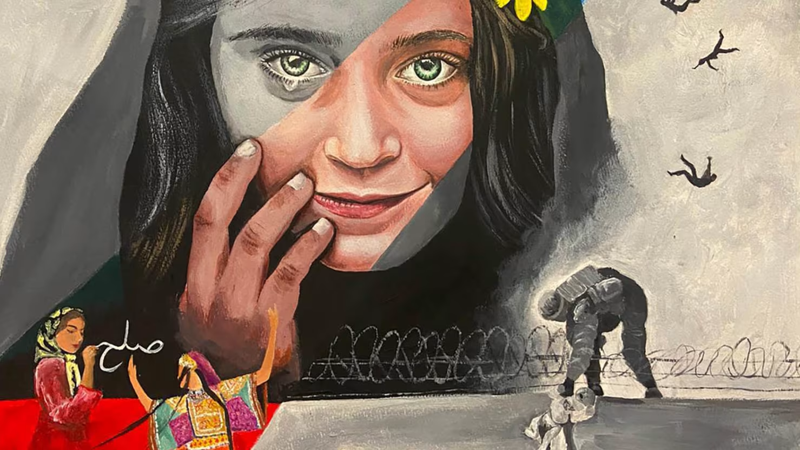
The end of a civil war often does not make women safer. This book explains why formal peace so rarely brings security for women, and why post-war settlements underinvest in protecting them.
Datasets
Afghanistan Open Data Initiative
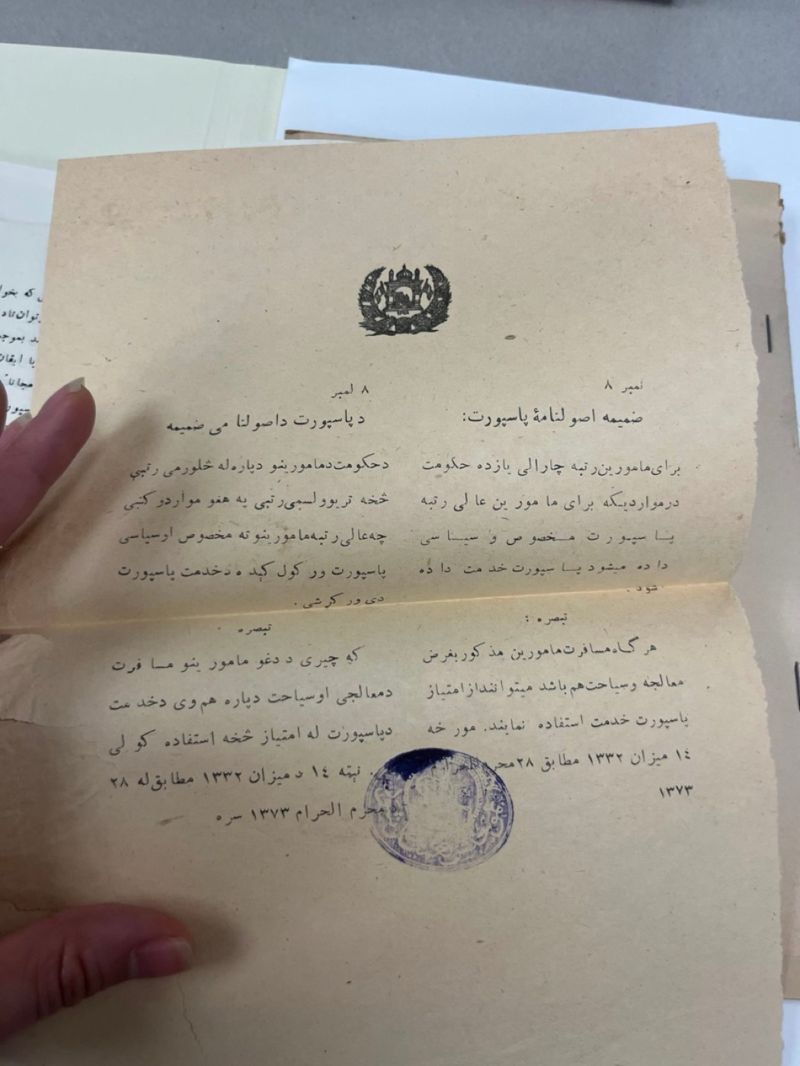
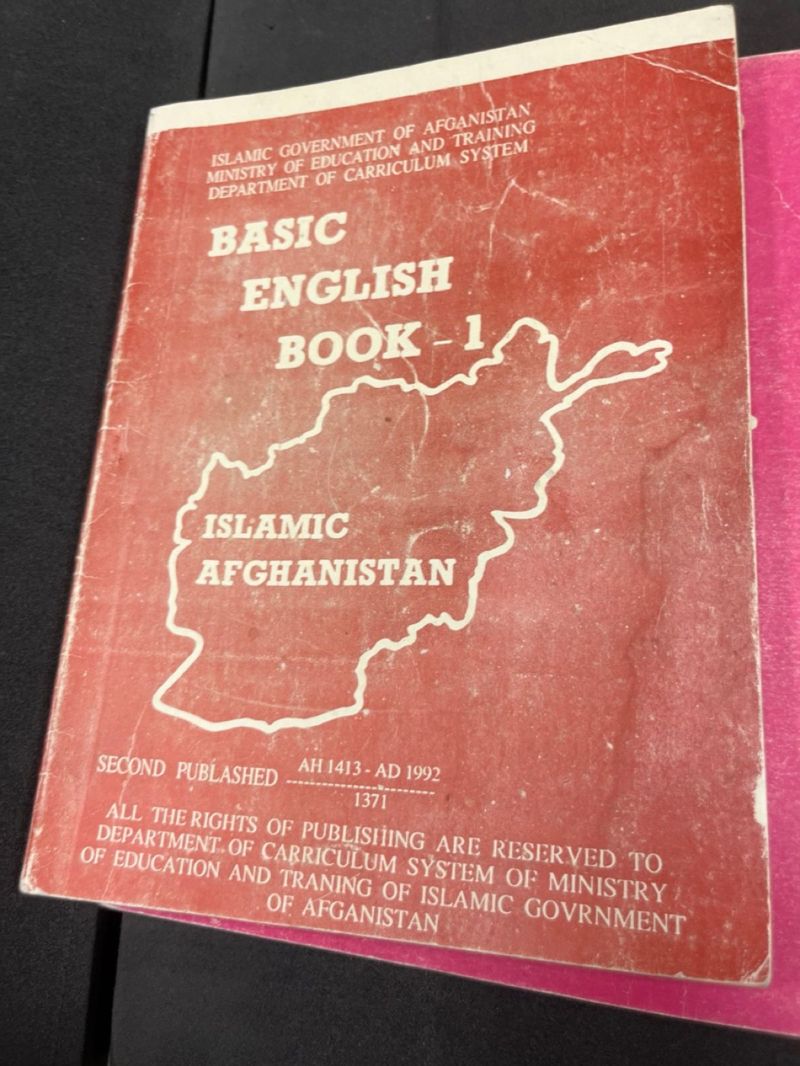
Preserving surveys, evaluations, and government records from twenty years of intervention in Afghanistan, many now at risk of being lost, and documenting them for open or restricted research use.
Afghan Civil Service Rosters
Personnel data linking Republic-era and Taliban-era civil service rosters, assembled from archives, administrative records, and other sources.
Violence Against Public-Facing Women (VAPW)
Documents incidents of violence against women in visible public roles in Afghanistan, such as teachers, journalists, health workers, and civil servants.
COIN Intervention Dataset
Outcomes of U.S. military counterinsurgency interventions, 1945–2016, from Helping or Hindering? (with Songtao Duan).
Methods
Causal inference. Randomized controlled trials, conjoint and survey experiments, difference-in-differences, regression discontinuity and kink designs.
Original data. Large-scale and panel surveys, personnel rosters, event data, administrative records.
Qualitative and historical. Elite and semi-structured interviews, archival research, ethnography, comparative case studies.